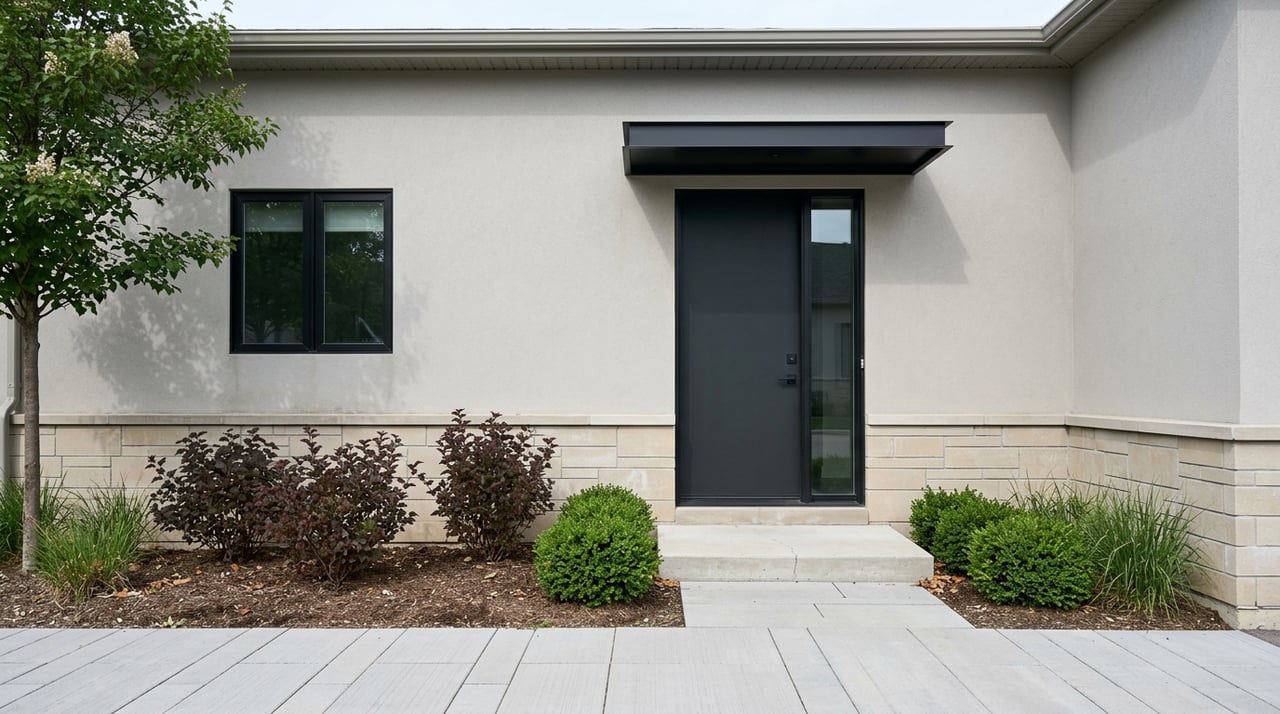
A buyer closes on a four-bedroom bungalow outside Bourget. The well runs clear, the tank was pumped last spring, the seller mentioned nothing unusual. Eighteen months later that same buyer applies for a permit to finish the garage into a home office, and the township pulls the septic file to check setbacks. That's when someone notices the system on record was designed for a two-bedroom cottage built in the 1970s, not the four-bedroom year-round house standing on the lot today.
Nothing about the septic system failed in the conventional sense. No backup, no smell, no soggy patch on the lawn. It simply stopped being legal the day someone finished the basement into bedrooms three and four, and nobody connected that renovation to the septic file sitting in a filing cabinet at the health unit. This is the risk that actually matters for rural buyers in Clarence-Rockland's outlying villages, and it's almost never the risk people are told to watch for.
Why the Walkthrough Tells You Nothing About Capacity
In Ontario, septic systems fall under Part 8 of the Building Code, and that section ties a system's legal design capacity directly to the number of bedrooms a home has, not to how the system happens to be performing on the day someone tours the property. The calculation runs on a daily design sewage flow, and that number is built around bedroom count because bedrooms are the closest available proxy for how many people will actually be using the plumbing.
A system can run quietly for years while overloaded. Soil absorbs more slowly than it should, the tank works harder than it was designed to, and none of it shows up as a visible problem until either the system fails outright or someone triggers a review by pulling a permit for something else entirely. A garage conversion, a deck footing near the leaching bed, a basement finish that adds a bedroom on paper. Any of these can send a building department back to the original septic design, and that's when a homeowner learns the system was never sized for the life actually happening inside the house.
This is precisely the situation that plays out in older rural building stock across Prescott and Russell, where seasonal cottages were built decades ago for two bedrooms and have since been upgraded into full-time family homes without anyone updating the septic design to match.
Where This Actually Bites in Clarence-Rockland
This isn't a Rockland-proper problem. It's a village problem. The city's own Community Improvement Plan lays out the full geography: Rockland, Bourget, Cheney, Clarence Creek, Hammond, and St-Pascal-Baylon all fall inside the municipality, and it's the villages outside Rockland's urban core where private septic and well systems are the norm rather than the exception. These are exactly the communities where a hobby farm buyer or a rural lifestyle client is most likely to be looking, and exactly where a decades-old system with an unrecorded bedroom addition is most likely to be sitting quietly on title.
Buyers touring these properties are usually focused on land, outbuildings, and how much privacy a lot offers. The septic file rarely comes up unless someone specifically asks for it, and a seller who has never touched the system has no particular reason to volunteer that the fourth bedroom was added without anyone checking whether the leaching bed could handle it.
There's No Blanket Rule, and That's the Problem
Ontario has no province-wide requirement that a septic system be inspected every time a property changes hands. That absence is worth sitting with, because it means the responsibility to catch a mismatch between bedroom count and design capacity falls entirely on whoever thinks to ask.
In practice, an inspection gets triggered by one of a few things: a buyer's lawyer or agent building it into the offer as a condition, a lender requiring proof the system functions before approving financing on a rural property, or a local health unit program flagging the address for review. Miss all three, and a buyer can close on a property with an undersized system and not find out until a permit application forces the issue years later, at a point when the seller is long gone and the repair bill belongs to whoever owns the house now.
The Eastern Ontario Health Unit, which serves Clarence-Rockland's rural properties, also runs a free well water testing program for households on private wells, a separate but related check that rural buyers should be building into the same due diligence window rather than treating as an afterthought.
What Happens When a Seller Knew and Said Nothing
The exposure here isn't limited to the buyer discovering a problem after the fact. If a seller was aware the system had known issues, whether from repeated backups, a prior inspection that flagged capacity problems, or simple knowledge that a bedroom was added without updating the design, and said nothing, that's a disclosure failure with real legal weight in Ontario. Courts have consistently sided against sellers in these situations, and the exposure runs from the buyer walking away from the deal after closing to a damages claim covering the cost of fixing the system.
The honest version of this story cuts both ways. A seller who gets ahead of it, documents the system's condition, and discloses anything they know, protects themselves from that exposure entirely. A seller who stays quiet is betting that the buyer never pulls a permit, which is a bet that gets harder to win the longer someone owns a rural property and the more likely they are, eventually, to build something.
What a Mismatch Actually Costs to Fix
When a septic system turns out to be undersized or has failed outright, a full replacement on a rural Ontario property typically runs somewhere in the range of $15,000 to $35,000 or more as of 2026, with the final number driven by soil conditions, the type of system the lot requires, and how easily equipment can access the site. That range is exactly why buyers and lenders both want certainty before closing rather than finding out afterward, and why a seller who proactively documents the system's condition and design capacity has real leverage in a negotiation that a seller who stays silent doesn't.
A Short Checklist Before You Write the Offer or List the House
For buyers:
- Ask for a septic file search from the municipality or health unit rather than relying on what the seller remembers about the system.
- Confirm the design capacity on file matches the actual bedroom count in the house today, not the bedroom count when the system was installed.
- If there's an advanced treatment unit on site, confirm the service contract and operating permit are both current.
- Book the septic inspection early in the condition period. Locating and pumping a tank can take longer than expected, and weather can push the timeline further.
- Pair the septic check with a well water test through the Eastern Ontario Health Unit if the property draws from a private well.
For sellers:
- Locate the Certificate of Completion for the current system before listing.
- Pull together pump-out receipts going back as far as records allow.
- If the system is over twenty years old or the paperwork is incomplete, commission a pre-listing inspection rather than waiting for the buyer's inspector to find something first.
- Disclose anything you know about past issues, repairs, or bedroom additions. The cost of disclosure is almost always smaller than the cost of a claim after closing.
A Few Questions Worth Asking Before You Commit
Does Ontario require a septic inspection before every home sale? No. There is no province-wide mandate. Inspections happen because a buyer's offer includes one as a condition, a lender requires it, or a municipal or health unit program applies to that specific address.
Who actually administers septic files for Clarence-Rockland's rural properties? The Eastern Ontario Health Unit is the relevant authority for the rural areas around Clarence-Rockland, including well water testing, alongside the municipal building department that handles septic permits and design records.
If a system was designed for two bedrooms but the house now has four, does that automatically mean it's failing? Not necessarily. A system can function without visible problems for years while technically exceeding its design capacity. The mismatch becomes a legal and financial issue the moment a permit application or inspection forces a review, not necessarily the moment it becomes a physical problem.
A septic system that works fine on the day of the showing can still be the single most expensive surprise a rural buyer in Bourget, Hammond, Clarence Creek, Cheney, or St-Pascal-Baylon runs into after closing. The file search that catches it takes a phone call and a few days. The repair it prevents runs into the tens of thousands.
If you're looking at a rural or acreage property in one of these villages and want to know what's actually on file for the septic system before you write an offer, or you're selling one and want to get ahead of the disclosure question before it becomes a problem, Steve Brunet has spent 22 years working these exact transactions across Clarence-Rockland's rural communities. Let's Connect.